Avery Point Lock & Key SpecialistsService bulletin 2 of 3
Master Key System Design: how the work is done
Many commercial properties end up with keys copied from other keys over years of staff changes, until nobody can say with confidence what a given key actually opens.
Kawartha Lakes, Ontario · Locksmith · open 24/7
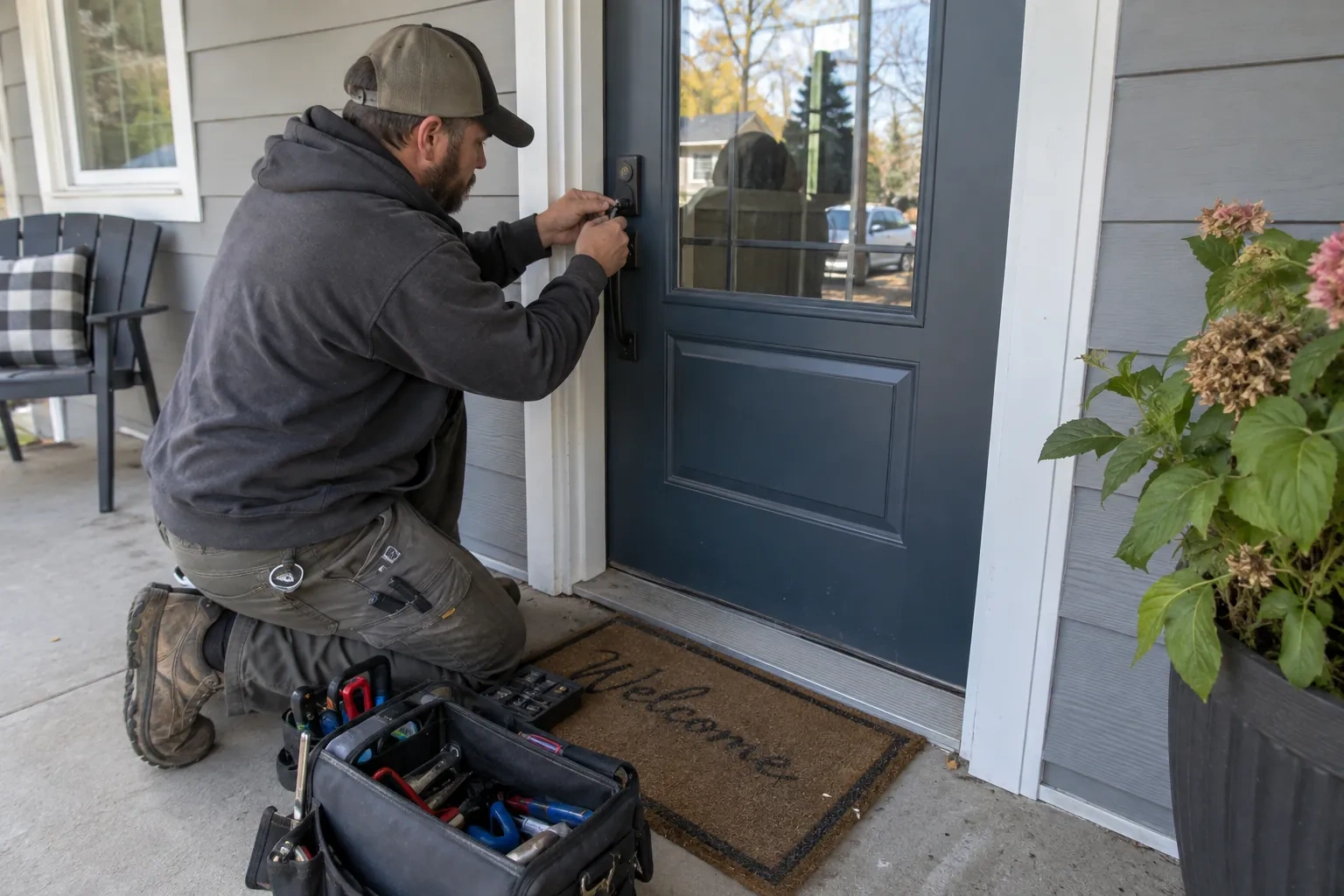
Many commercial properties end up with keys copied from other keys over years of staff changes, until nobody can say with confidence what a given key actually opens. Master key system design starts from the opposite direction: an approved list of roles and openings comes first, and the keying follows it. Doors that genuinely need to share access are grouped under a sub-master; doors that do not stay on their own key. Once the hierarchy is agreed, the cylinders are pinned to match it, tested lock by lock, and handed over with a plain record so the business always knows which key belongs where.
Room to grow before it is needed
The assessment asks about plans the business already has in mind: a leased unit expected to fill, a department likely to split in two, a location due to open next year. Building spare capacity into the keying platform now is far simpler than adding a level to a system that is already fully pinned, which can mean touching cylinders that were never meant to change. This forward-looking check shapes which keying platform and how many reserved combinations the design settles on before any cylinder is committed to a specific level.
Marking and cutting the actual keys
Keys are cut to the bittings set out in the key schedule and marked in a way that identifies the holder's role or level rather than the door or address it opens, so a key found on its own gives away as little as possible about the building it belongs to. Quantities match what was agreed during the assessment, with each one logged by serial against the person or role receiving it. Blanks for a restricted keyway are cut only against the owner's authorization, keeping future duplication inside the same controlled record.
Keys that say less if they go missing
The keys handed over are marked by role or level, not by door or address, so a key that is lost or set down somewhere it should not be tells whoever finds it very little about what it actually opens. Combined with a restricted keyway where one was chosen, this cuts the odds of an unauthorized copy, though the chart still shows that a lost top-level master reaches every cylinder it was cut to operate, which is why that level gets watched most closely.